Common carpet cleaning mistakes St Giles landlords face
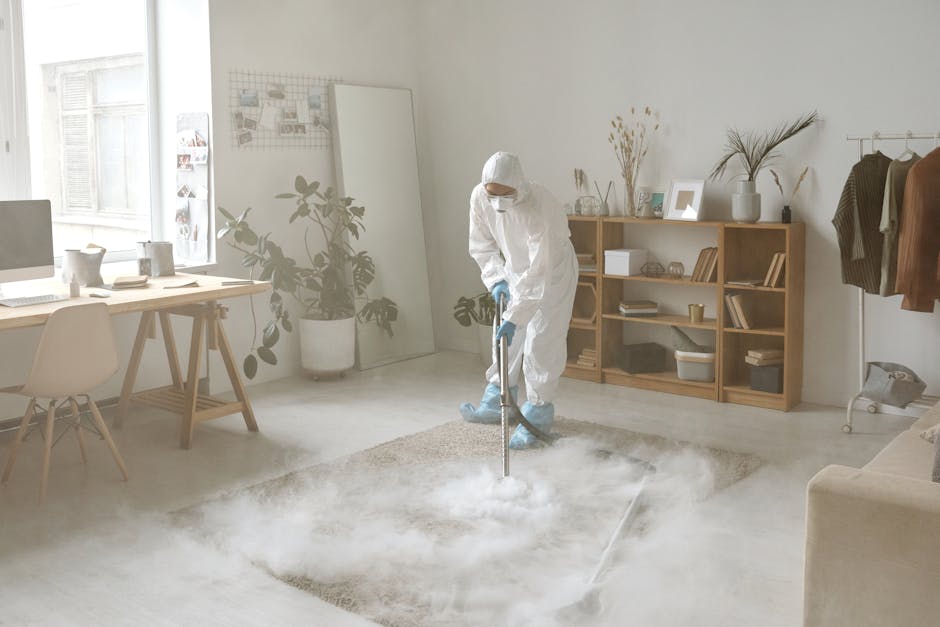
If you let property in St Giles, carpets can become one of those quietly expensive details that only get noticed when something has gone wrong. A tenant moves out, the hallway looks tired, or a faint smell seems to linger after a quick once-over. Then the rush begins. And that is usually when Common carpet cleaning mistakes St Giles landlords face start to show up: over-wetting, using the wrong product, skipping stain treatment, or leaving the job half done because the next viewing is tomorrow.
Truth be told, carpet cleaning in rental properties is rarely just about appearance. It affects inspection outcomes, tenant satisfaction, safety, and how quickly a property feels ready for re-letting. In a busy central London area like St Giles, where flats, managed rentals, and short turnaround tenancies are common, getting the process right saves time and avoids awkward disputes. This guide breaks down the mistakes landlords make, why they matter, and the practical steps that lead to cleaner, drier, better-looking carpets without the drama.
Whether you manage one flat or several units, the aim is the same: protect the carpet, present the property properly, and avoid preventable costs. Let's get into it.
Why Common carpet cleaning mistakes St Giles landlords face Matters
Carpet cleaning sounds straightforward until you are dealing with flattened pile, water marks, discoloured patches, or a stubborn smell in a room that looked fine at first glance. For landlords, the stakes are slightly different from a homeowner's. You are not just trying to make the carpet look neat for a weekend. You are trying to protect an asset, reduce complaint risk, and keep the property ready for the next tenancy or inspection.
In St Giles, many rental properties see frequent tenant turnover. That means carpets may need more regular attention than people expect. Dust from heavy footfall, food spillages, pet odours, and city grime can build up quickly, especially near entrances and in communal hallways. If cleaning is rushed or done incorrectly, the damage can be made worse rather than better. A carpet that has been scrubbed too hard or left damp too long can wear faster, develop musty odours, or even show tide marks after drying. Not ideal, obviously.
There is also the practical side. A poor clean can lead to complaints, disputes over cleanliness at check-out, and last-minute re-cleans before viewings. Sometimes the issue is not the stain itself; it is the uneven result. One room looks fine, the landing looks patchy, and suddenly the property feels less cared for. That affects perception immediately.
Key point: carpet cleaning mistakes are rarely small. A minor shortcut can create extra work, extra drying time, and extra costs. For landlords, that is usually where the pain starts.
How Common carpet cleaning mistakes St Giles landlords face Works
To avoid mistakes, it helps to understand how carpet cleaning should work in the first place. The job is not just "spray and scrub." Proper cleaning follows a sequence: inspect the fibre type, remove dry soil, treat stains correctly, clean with the right amount of solution and agitation, then extract moisture and allow the carpet to dry safely.
Different carpets react differently. Synthetic fibres can often tolerate deeper cleaning than delicate natural fibres, but even then the wrong chemistry or too much water can create a mess. Wool carpets, for example, need a gentler approach. And if the underlay gets saturated, the surface may look clean while the smell underneath tells another story. That is the sort of thing you only discover when a room has been shut overnight. Not fun.
For landlords, the process also needs to fit around tenancy schedules. That means timing matters. A carpet cleaned too close to a viewing may still be damp. A carpet cleaned too late may leave no margin for errors, especially if one stain needs a second pass. Good cleaning is part technique, part timing, and part judgement.
If you are comparing services, it can help to think in terms of outcome rather than just effort. A well-managed clean should leave the carpet evenly refreshed, suitably dry, and free from obvious residue. If you want a broader overview of carpet care methods, the main carpet cleaning service page is a useful starting point, especially when deciding whether a standard clean or a more targeted treatment is needed.
Key Benefits and Practical Advantages
When carpet cleaning is done properly, the benefits are more than cosmetic. That is the bit landlords often feel in the day-to-day running of the property.
- Better first impressions: Fresh carpets make a flat feel looked after, even before the tenant has unpacked.
- Less dispute risk: Clear evidence of proper cleaning reduces arguments at check-out and during handover.
- Longer carpet life: Removing grit and residue helps reduce fibre wear over time.
- Faster re-letting: Dry, clean rooms are easier to market and photograph.
- Reduced odours: Food, pet, and damp smells are easier to control when treated correctly.
- Lower chance of hidden damage: A careful clean can reveal issues like stains bleeding through or underlay problems before they become bigger repairs.
There is also a quieter benefit that is easy to miss: confidence. When you know the carpets have been properly handled, inspections feel calmer. You are not walking in wondering whether that patch near the sofa is going to come back to haunt you. It sounds small, but anyone who manages rentals knows these small things stack up.
If you are dealing with broader property presentation, some landlords also combine carpet work with commercial carpet cleaning for managed spaces or shared areas, especially where multiple occupants come and go.
Who This Is For and When It Makes Sense
This guide is especially useful if you are:
- a private landlord managing one or more St Giles rentals
- a letting agent overseeing check-outs and pre-tenancy preparation
- a property manager handling regular refreshes between occupancies
- a landlord dealing with stain-prone or high-traffic carpets
- someone preparing a flat for new tenants, viewings, or inventory sign-off
It makes sense to act before the carpet looks visibly tired. Waiting until damage is obvious can narrow your options. For example, a light coffee mark treated early may be lifted cleanly, while the same mark left for months can oxidise and become much harder to remove. Likewise, pet odour is far easier to control when it is addressed before it settles into the fibres or underlay.
In our experience, the best time to review carpet cleaning is at three points: at mid-tenancy if there has been a spill incident, at check-out before re-letting, and after any refurb or decorating work. Paint dust, plaster residue, and builder traffic can make a carpet look tired surprisingly fast.
Step-by-Step Guidance
If you want to avoid the most common errors, follow a simple process rather than improvising on the day. That is usually where things go sideways.
- Inspect the carpet properly. Check fibres, backing condition, traffic lanes, stains, and any signs of existing damage.
- Vacuum thoroughly. Dry soil should come out before any liquid is introduced. Skipping this step makes the wet clean less effective.
- Identify the stain type. Food, drink, grease, mud, ink, and pet accidents need different treatment. One solution does not fit all.
- Choose the right cleaning method. Steam extraction, low-moisture cleaning, or spot treatment may be more appropriate depending on the carpet and the urgency.
- Test a small area. This helps reduce the risk of colour loss or fibre distortion.
- Treat stains before full cleaning. A targeted pre-treatment usually improves the final result.
- Clean evenly and avoid over-wetting. Consistent passes matter more than aggressive scrubbing.
- Extract moisture well. Residual moisture is where odours, slow drying, and re-soiling often begin.
- Ventilate the room. Open windows where practical and improve airflow to speed drying.
- Check the result once dry. Some marks only show after the carpet has fully settled.
A lot of landlord problems come from steps being skipped because someone is in a rush. A clean carpet should not look like it was wrestled into submission. Gentle, methodical work usually wins. A bit boring, maybe. But effective.
Expert Tips for Better Results
Here are the kinds of practical details that separate an average result from a reliable one.
Match the method to the fibre
Wool, wool blends, and synthetic fibres all behave differently. A hot, heavy-handed approach can damage delicate pile or leave residue. If you are unsure, err on the side of caution. That sounds obvious, yet it is where many mistakes begin.
Deal with traffic lanes early
Hallways, living room paths, and areas around beds or sofas usually hold the most compacted dirt. These are the spots most likely to look grey even after a quick clean. Pre-treatment and slow, careful passes make a difference here.
Do not overuse chemicals
More product does not mean more cleaning power. In fact, excess detergent can attract dirt later and leave sticky fibres. It is one of those annoying little truths nobody wants to hear.
Think about drying time before you start
If you are cleaning late in the day and need the room ready by morning, you are inviting trouble. Good ventilation, moderate humidity, and proper extraction matter. The carpet may feel "almost dry" and still hold moisture below the surface.
Keep a record
For landlords, a simple before-and-after note or photo set can help at inventory stage. Nothing flashy. Just enough to show what was cleaned and when.
Use targeted stain removal where needed
If a carpet has one stubborn patch, it may need stain removal rather than a full repeat clean. That can save time and reduce wear on the rest of the carpet.
Small aside: the difference between "clean" and "properly clean" is often just a few patient minutes. Annoying, yes. But true.
Common Mistakes to Avoid
This is the section that usually saves people the most time. The following mistakes show up again and again in rental properties.
1. Using too much water
Over-wetting is one of the most common carpet cleaning problems. It can lead to slow drying, backing damage, odours, and visible wicking where old stains reappear as the carpet dries. If the room still feels damp hours later, that is a warning sign.
2. Scrubbing stains aggressively
Scrubbing often pushes a stain deeper into the fibres or frays the pile. It can also make a patch look worse by roughening the texture. Blot first, treat carefully, then clean properly.
3. Ignoring the stain type
A red wine mark, a grease mark, and a pet stain are not the same thing. Treating them as if they are leads to partial removal at best and permanent setting at worst.
4. Cleaning only the visible patch
Spot cleaning a single area can leave a halo or a brightness mismatch. Sometimes the whole traffic lane needs attention to blend the finish.
5. Leaving residue behind
Too much detergent or poor extraction can make the carpet attract dirt faster. The result is that the carpet looks fine for two days, then somehow gets grimier. Frustrating, to say the least.
6. Skipping ventilation
Closed windows and poor airflow slow drying and increase the chance of stale smells. This matters even more in smaller St Giles flats where air movement is limited.
7. Cleaning at the wrong moment
If you clean immediately before a viewing or inventory appointment, you may not have enough drying time. Even a good clean can look poor if it is still damp.
8. Not checking for hidden issues first
Loose seams, worn patches, or old pet damage can be made worse by cleaning. You need to know what you are working with before introducing moisture.
9. Using a one-size-fits-all approach across the property
The hallway, bedroom, and living room may need different methods. The carpet near the entrance usually carries more grit than the spare room, and the treatment should reflect that.
10. Assuming all DIY kits are equally safe
Some home-use products are fine for small spillages. Others leave residue or create colour problems. If in doubt, a more measured approach is safer than a heroic one.
Tools, Resources and Recommendations
You do not need a warehouse full of kit, but the right tools make a noticeable difference. For landlords, practicality matters more than collecting gadgets.
- Good vacuum cleaner: essential for removing dry soil before any wet cleaning.
- Microfibre cloths: useful for blotting spills without pushing them deeper.
- Appropriate carpet spotter: choose products suited to the stain and fibre type.
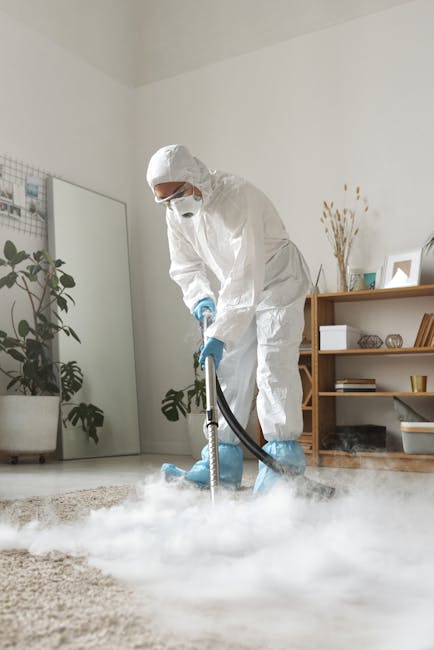
- Extraction or steam-cleaning equipment: useful for deeper cleans where soil has built up.
- Airflow helpers: fans or open windows can reduce drying time where safe and practical.
- Protective sheets or mats: handy for post-clean access routes so you do not undo the work.
If you want to understand what good equipment can do, take a look at the guidance around the best tools for cleaning carpets. It gives a clearer sense of which jobs suit which tools, and where people often waste effort.
For homes with pets, odours, or repeat spill issues, a dedicated treatment can be useful. The page on pet stain and odour removal is relevant if you are dealing with lingering smells rather than just surface marks.
Landlords often benefit from having a simple property refresh routine too. A wider cleaning plan keeps carpet care from being treated like a panic job every time someone moves out. If that sounds familiar, the article on designing a house cleaning plan may be worth a look.
Law, Compliance, Standards, or Best Practice
There is no single rule that says exactly how a landlord must clean a carpet in every situation, but there are still important standards to think about. In practice, the main concerns are safety, fairness, and keeping the property in a reasonable condition between tenancies. Lease terms, inventory reports, and tenancy agreements can also shape what is expected at check-out.
Best practice usually means using cleaning methods that are suitable for the carpet type, avoiding unnecessary damage, and making sure the property is safe to occupy afterwards. Wet carpets can create slip risks, and poorly dried carpets can encourage mould or damp smells, especially in smaller London flats with limited ventilation.
If you are using a contractor, it is sensible to check whether they carry appropriate insurance and follow safe working methods. That does not need to be dramatic or legalistic. It is just common sense. The page on insurance and safety explains the kind of reassurance landlords often look for, and the health and safety policy gives a sense of the standards behind the work.
For landlords, the key is not pretending to be a solicitor. It is keeping records, setting realistic expectations, and making sure cleaning is done in a way that supports the tenancy rather than creating a new problem. If there is ever a dispute, clear documentation helps. Simple, but useful.
Options, Methods, or Comparison Table
Different situations call for different cleaning approaches. Here is a practical comparison that landlords can use when deciding what is appropriate.
| Method | Best for | Main advantage | Main drawback |
|---|---|---|---|
| Vacuum only | Routine upkeep between deeper cleans | Fast, low-risk, removes dry soil | Does not lift stains or odours |
| Spot cleaning | Fresh spills and isolated marks | Targeted and cost-conscious | Can leave halos if done badly |
| Steam extraction | Deeper refresh and high-traffic areas | Strong soil removal and a more even finish | Needs proper drying time |
| Low-moisture cleaning | Properties needing faster turnaround | Shorter drying time | May be less effective for heavy soiling |
| Specialist stain or odour treatment | Pet issues, smoke, deep-set marks | More focused results | Depends on the exact stain and carpet condition |
For most rental properties, the "best" method is the one that fits the carpet condition, the schedule, and the result you actually need. Not the fanciest one. Not the cheapest one either. Just the one that makes sense.
If your property also has curtains, upholstery, or soft furnishings that carry odours or dust, coordinating services can be efficient. Related treatments such as sofa cleaning and curtain cleaning may help the whole room feel genuinely refreshed rather than half-done.
Case Study or Real-World Example
Here is a realistic example based on a common landlord scenario in St Giles. A one-bedroom flat is coming to the end of a tenancy. The living room carpet has a traffic lane near the sofa, a coffee mark by the window, and a faint smell that becomes obvious when the heating comes on. The first instinct is to hit the stain, scrub hard, and hope for the best. That is the trap.
Instead, the better approach is slower and more systematic. The carpet is vacuumed thoroughly, the coffee stain is treated first, and the traffic lane is cleaned as a whole so the finish blends. The room is then ventilated properly, and the landlord waits until the carpet is fully dry before final photos are taken.
The result is not perfect magic. Carpets are carpets. But the room looks fresher, the smell is reduced, and the carpet presents well enough for marketing without the "why is that patch darker?" problem. That is what good practice looks like in reality: not a miracle, just a better outcome with fewer surprises.
In a tighter turnaround situation, the same flat might also benefit from deeper whole-property work alongside end of tenancy cleaning in St Giles and Bloomsbury flats, especially when carpets, kitchens, and bathrooms all need to be presented together. It is the kind of joined-up approach that makes a property feel ready rather than merely cleaned.
Practical Checklist
Use this checklist before and after carpet cleaning in a rental property.
- Identify carpet fibre type and general condition
- Vacuum all areas thoroughly before any wet cleaning
- Test cleaning product in an inconspicuous spot
- Check for stains, odours, and worn patches
- Treat specific stains before cleaning the whole carpet
- Avoid soaking the carpet or over-applying detergent
- Use the right method for the room and turnaround time
- Improve ventilation during and after cleaning
- Confirm the carpet is fully dry before inspections or viewings
- Photograph results for your records if needed
- Inspect for recurring marks once the carpet has settled
- Schedule future maintenance rather than waiting for a major problem
If you can tick most of those off, you are already ahead of many landlords. Really, that is half the battle.
Conclusion
Common carpet cleaning mistakes St Giles landlords face are usually not dramatic. They are the ordinary, easy-to-make errors: too much water, the wrong product, rushed drying, and not enough attention to the carpet's actual condition. But those ordinary mistakes can still create real headaches, especially when you are trying to re-let a property quickly or avoid a dispute at check-out.
The good news is that most of the risk is avoidable. A careful inspection, the right method, sensible drying time, and a bit of patience go a long way. When landlords treat carpet cleaning as part of property care rather than a last-minute chore, the results are better, the property feels more professional, and the whole process becomes less stressful. Which is what everyone wants, really.
Get a free quote today and see how much you can save.
And if you are still weighing up options, it never hurts to ask the awkward questions first. That is usually the smart bit.
Frequently Asked Questions
What are the most common carpet cleaning mistakes landlords make?
The biggest mistakes are over-wetting, using unsuitable products, scrubbing stains too hard, skipping vacuuming, and not allowing enough drying time. These issues can leave residue, odours, or visible marks.
Why do carpets in St Giles rentals get dirty so quickly?
Central London rentals often see frequent foot traffic, regular tenant turnover, and more outdoor dirt brought inside. Hallways and living areas especially tend to show wear faster than people expect.
Is steam cleaning always the best option?
Not always. Steam extraction works well for many carpets, but some fibres and some time-sensitive jobs are better suited to low-moisture methods or targeted stain treatment. The right method depends on the carpet and the turnaround time.
Can I clean a rental carpet myself?
Yes, for light maintenance or small spillages, DIY cleaning can work. But for larger stains, odours, or end-of-tenancy preparation, a more controlled approach is usually safer and produces a better finish.
How long should a carpet dry before tenants move back in?
Drying time varies depending on the method, ventilation, humidity, and carpet thickness. The safest approach is to make sure the carpet is fully dry before use, rather than guessing by touch alone.
What should I do about pet stains and smells?
Pet issues need more than a quick surface clean. The stain source, odour, and any contamination below the surface may all need attention. A targeted treatment is usually better than a general clean.
Do I need to clean carpets between every tenancy?
In many rental properties, yes, or at least inspect them closely and clean where needed. Even if a carpet looks fine, soil and odours can build up over time and affect the next tenant's experience.
Can over-cleaning damage carpet fibres?
Yes. Repeated aggressive cleaning, strong chemicals, or excessive water can wear fibres down and shorten carpet life. The goal is proper cleaning, not repeated punishment of the carpet.
What is the best way to avoid cleaning disputes at check-out?
Take clear photos, keep notes of the carpet's condition, and ensure the clean is done properly before the final inspection. A simple record of the work helps if any questions come up later.
Are stain removers safe for all carpets?
No. Some stain removers can affect colour or texture, especially on delicate fibres. Always test a small hidden area first and use a product suited to the stain type.
When should a landlord call in a professional carpet cleaner?
It makes sense when stains are stubborn, the carpet covers a large area, the turnaround is tight, or there are odour issues. Professional help is also worth considering when the carpet is valuable or delicate.
Does carpet cleaning help with rental property presentation?
Yes, very much so. Clean carpets improve first impressions, support better photos, and make rooms feel fresher overall. It is one of those details people notice even when they do not say so out loud.